



How to Build a Clay Tennis Court?
When it comes to designing and building tennis courts, enthusiasts and professionals alike have a wide array of options to choose from. One of the most beloved surfaces among top-tier players is the clay tennis court, known for its unique playing conditions. If you're considering constructing a clay tennis court, whether for a personal project or as part of a larger sporting facility, this guide will take you through everything you need to know. From the fundamentals of clay courts to the step-by-step process of creating one, we’ll cover how you can achieve professional-level results with the expertise of Anymats.
What is a Clay Tennis Court?
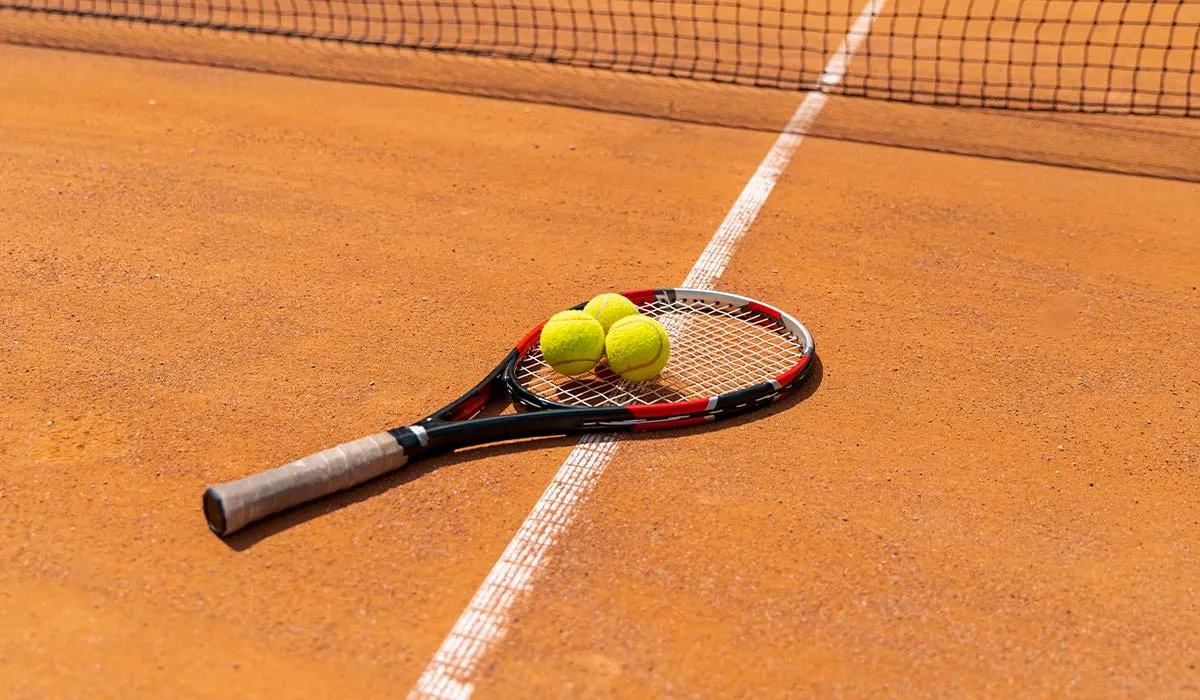
A clay tennis court is constructed from materials like crushed stone, brick, shale, or other granular substances, creating a distinctive playing surface. This type of court is especially prevalent in Europe and South America, with its slow pace and high bounce making it a favorite among tennis professionals. Notably, the French Open, one of the four Grand Slam tournaments, is played on clay courts, highlighting their significance in professional tennis.
Clay courts typically exhibit red, green, or even blue hues depending on the specific material used, with the top layer playing a crucial role in both performance and aesthetics. Proper maintenance and resurfacing are essential to maintaining the court's high-quality playing conditions, ensuring a consistent experience for players over time.
Different Types of Tennis Courts
Before diving into the specifics of building a clay tennis court, it’s important to understand the variety of tennis court surfaces available. Each surface comes with unique properties that impact gameplay, and each type of court requires different construction and maintenance techniques.
- Hard Courts: These courts are often made with an asphalt or concrete base, topped with an acrylic layer. Known for their speed and consistent bounce, hard courts are the surface of choice for major tournaments like the U.S. Open and Australian Open.
- Grass Courts: Traditional grass courts offer the fastest play with unpredictable bounces. They are physically demanding and require extensive maintenance, with Wimbledon being the most famous event played on grass.
- Clay Courts: As we've highlighted, clay courts slow the game down with a high bounce, making them ideal for strategic, endurance-driven play. Players like Rafael Nadal, the “King of Clay,” have made their mark on this surface.
- Artificial Grass and Other Surfaces: Synthetic grass surfaces mimic natural grass, offering a balance between the quick gameplay of hard courts and the gentle feel of clay, providing less strain on the body compared to harder surfaces.
Advantages and Disadvantages of Clay Tennis Courts
When considering whether to build a clay court, it’s essential to weigh the advantages and disadvantages:
Advantages:
- Slower Pace: Clay courts slow down the ball, offering longer rallies that benefit players who focus on strategy and endurance rather than power.
- Lower Impact: The softer surface reduces strain on joints, making clay courts ideal for players with a history of injuries or those who play frequently.
- High Bounce: The ball's high, consistent bounce allows players more time to react, rewarding those with excellent footwork and anticipation.
Disadvantages:
- Maintenance Requirements: Clay courts require frequent upkeep, such as grooming, watering, and periodic resurfacing, to maintain their playing quality.
- Weather Sensitivity: Clay courts are prone to being affected by weather, particularly rain. A wet clay court can become unplayable, requiring time for it to dry and be restored.
- Slower Gameplay: While this is a benefit for some, players accustomed to faster surfaces may find the slower pace of clay less appealing.
Step-by-Step Process to Build a Clay Tennis Court with Anymats
Building a clay tennis court is an involved process that requires precision, planning, and the right materials. Here's an overview of the key steps involved, all of which can be expertly managed with Anymats's guidance:
1. Site Selection and Preparation
Choosing the right location is the first step. The site should be flat and have proper drainage to avoid water accumulation. If the area is uneven, grading or excavation may be necessary. The soil should be tested to ensure it has good drainage properties, ensuring a solid foundation for your clay surface.
2. Foundation Construction
A stable base is crucial for the longevity of the court. A layer of crushed stone or gravel is typically used as the foundation. This layer helps with drainage and prevents water pooling. The base must be compacted and leveled to create a firm foundation for the clay surface.
3. Applying the Clay Surface
Once the foundation is ready, the clay material is evenly spread across the court. This layer usually consists of a mix of crushed brick, shale, or other materials. The thickness of the clay should be between 2-3 inches to ensure both durability and consistent bounce. A roller is used to smooth out the surface and ensure even distribution.
4. Court Lines and Markings
After the clay is applied and leveled, it’s time to mark the court lines. These lines are typically painted white or another contrasting color for visibility. A regulation tennis court measures 78 feet in length and 36 feet in width, with extra space around the perimeter for safety.
5. Drainage and Irrigation Systems
A high-quality drainage system is essential for maintaining a clay court’s playing conditions. Proper drainage ensures that water doesn’t accumulate, which could lead to damage. An irrigation system also keeps the clay surface properly moistened, especially during dry conditions. This moisture balance is crucial for preventing cracks or dust from forming.
6. Finishing Touches
Finally, landscaping around the court is completed, including the installation of fencing, seating areas, and other amenities. Regular use of drag mats and rollers will ensure the surface stays smooth and in optimal condition.
Maintenance of Clay Tennis Courts
Proper maintenance is key to preserving the performance and appearance of your clay court. Here’s a quick look at what’s required to maintain a clay tennis court:
- Frequent Sweeping and Grooming: Drag mats are used to smooth out the surface and keep it even. Regular sweeping helps to remove dirt and debris.
- Watering: Keeping the surface moist is important to prevent cracking and dust. During dry weather, irrigation ensures that the court stays in playable condition.
- Resurfacing: Over time, the clay layer can wear down, so periodic resurfacing is required to maintain the surface’s integrity.
- Post-Rain Maintenance: After heavy rain, the court should be left to dry. Once it’s dry, any imperfections should be smoothed out to restore it to peak condition.
Costs and Considerations
Building a clay tennis court is an investment, both in terms of construction and long-term maintenance. While it tends to be more expensive than a hard court due to the materials and upkeep, a well-maintained clay court can provide years of enjoyment. The unique benefits of a clay court, such as the reduced impact on joints and slower pace of play, make it a worthy investment for tennis enthusiasts who prefer these conditions.
Anymats – Clay Tennis Court Builder
Constructing a clay tennis court may be a complex process, but with the right approach and the expert guidance of Anymats, it can be a rewarding project. By understanding the various types of tennis courts, recognizing the advantages of clay courts, and following a careful step-by-step process, you can create a high-quality surface that delivers both challenge and enjoyment for players. Whether for personal or public use, building a clay tennis court with Anymats ensures that your investment will provide excellent returns for years to come.
Other Blogs

Integral Enters a New Era with a Renewed Brand Identity
Integral enters a new era with a renewed brand identity, bringing together Avengrass, Stila, Anymats and WePadel under a shared vision.
EPDM vs SBR: Which Rubber Granule Should You Choose?
Read Anymats's guide: EPDM vs SBR: Which Rubber Granule Should You Choose. Learn key flooring details and ask our team for product and project guidance.
4 Types of Surfaces Used in Athletics Track Construction
Read Anymats's guide: 4 Types of Surfaces Used in Athletics Track. Learn key flooring details and ask our team for product and project guidance.
How to Build a Clay Tennis Court?
Read Anymats's guide: How to Build a Clay Tennis Court. Learn key flooring details and ask our team for product and project guidance.

Integral Group® Signs First Brand Ambassadorship Agreement of 2024
Read Anymats's guide: Integral Group® Signs First Brand Ambassadorship. Learn key flooring details and ask our team for product and project guidance.
The Use of Polyurethane Coating in Sports Fields
Read Anymats's guide: The Use of Polyurethane Coating in Sports Fields. Learn key flooring details and ask our team for product and project guidance.
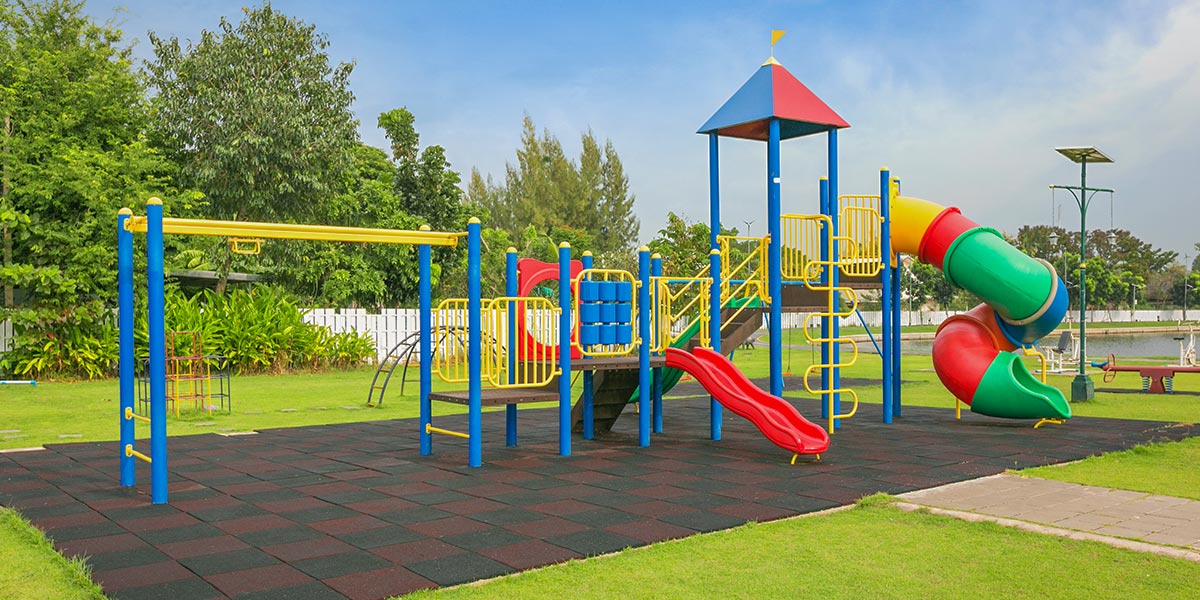
Design Playgrounds for Summer with Rubber Tiles
Summer is one of the times when children spend time outdoors, play fun games, and burn off their energy. Therefore, playground design is essential to ensure safety while making it enjoyable and engaging. Rubber tiles have become a popular material in playground design and offer an excellent choice for this summer. With their durability, color options, and environmentally friendly features, rubber tiles are preferred by both children and parents.
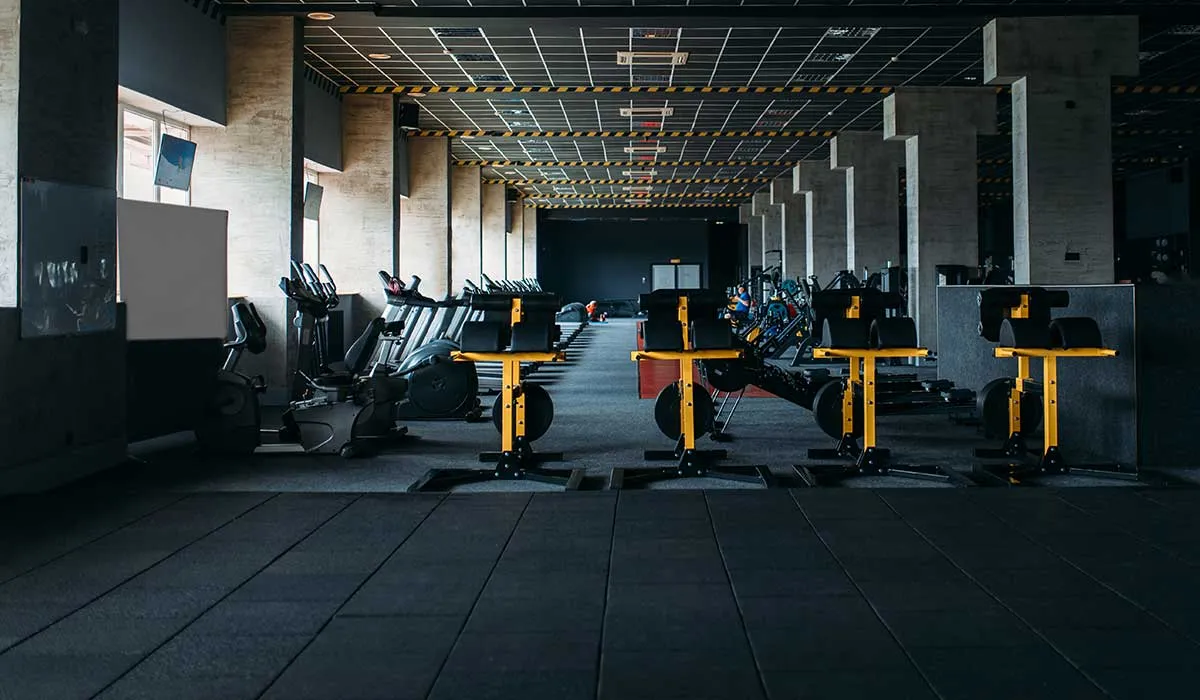
The Use of Rubber Rolls in Gyms
Gyms require high-quality flooring solutions for both safety and performance. Rubber rolls perfectly meet this need. At Anymats, we produce our rubber roll flooring products to the highest standards. In this article, we will detail the advantages and effects of using rubber rolls in gyms.
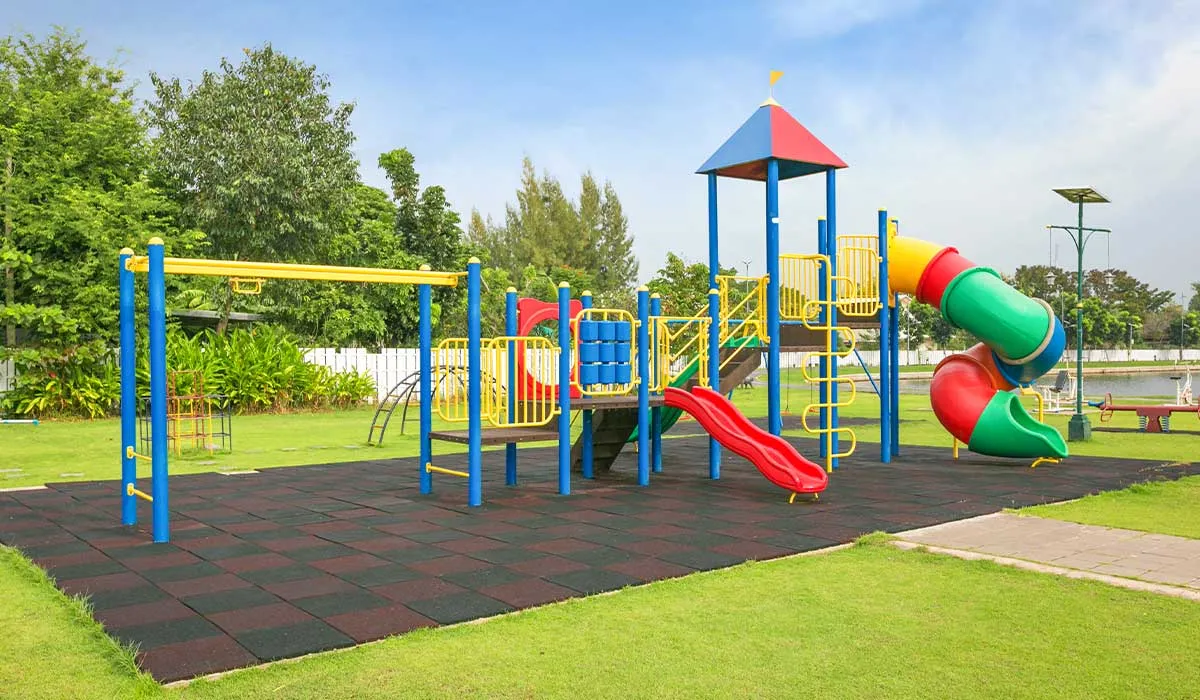
Safety Benefits of Rubber Tiles for Children
Safety in children's play areas is one of the top priorities for parents and educators alike. Rubber tiles provide an excellent flooring option to ensure children can play safely. In this article, we will examine the safety benefits of rubber tiles for children under four main headings:

Advantages of Recycled Rubber Flooring
Modern construction, sports, and landscape projects increasingly prioritize durability, safety, and sustainability. In this context, recycled rubber flooring stands out as a smart, future-oriented solution that combines high performance with environmental responsibility. As Anymats, we develop and supply professional rubber flooring and rubber floor covering systems designed for long-term use in demanding indoor and outdoor environments.

Host of Chad Delegation in Integral Group
We are very pleased to host of Chad delegation in Integral Group head office. We agreed and signed MOU construct stadiums in Chad. This agreement will be improve Chad and Türkiye relationship, also Chads sports sector. First of all thank you honored minister of Infrastructure minister Dr Idriss Saleh BACHAR and Sports minister Patalet Geo and Chad Delegation.

Eco-Friendly Flooring Solutions with Rubber Rolls
Rubber rolls are known for their durability and versatile applications. However, their eco-friendly features make them a preferred flooring solution as well. In this article, we will examine the eco-friendly properties of rubber rolls and h
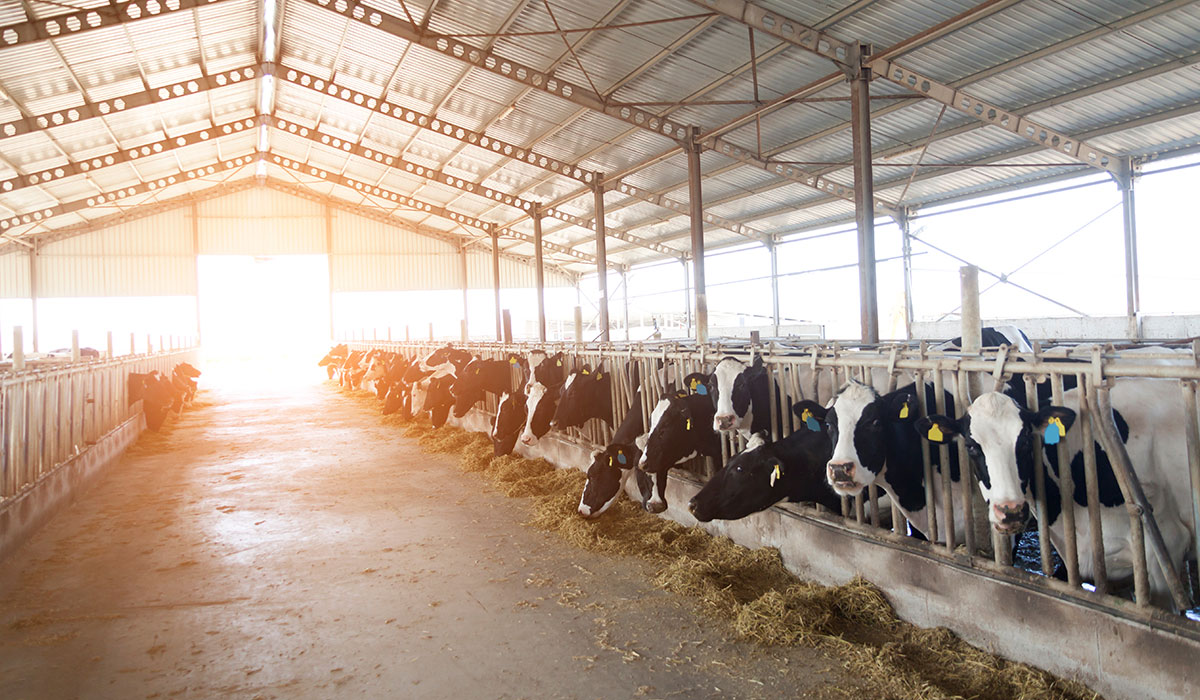
Uses of Animal Mats and Maintenance Tips
Animal Mats are specially designed products aimed at ensuring the comfort, hygiene, and safety of animals in various environments. Whether for livestock (such as cattle and horses) or small animals (like sheep and goats), these mats can be used in many different areas, from barns and veterinary clinics to racetracks and poultry houses.
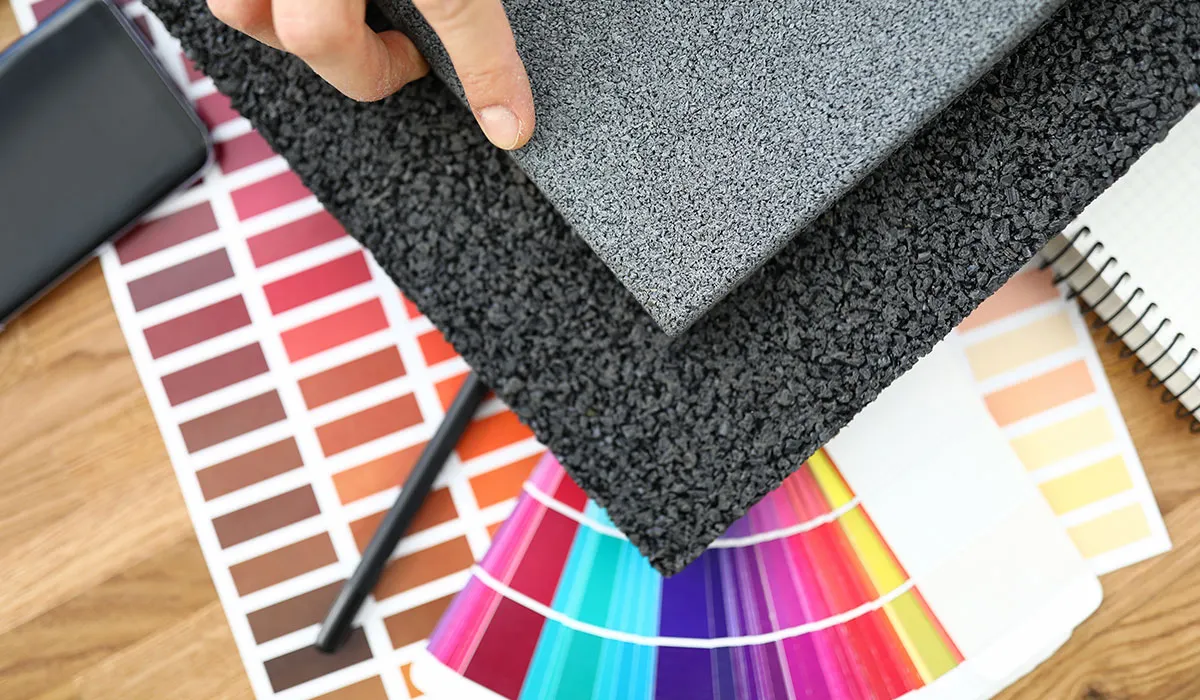
Rubber Tiles Installation: Step-by-Step Guide
Rubber tiles are an excellent flooring solution known for their durability, non-slip surfaces, and easy maintenance. These tiles can be used both indoors and outdoors, making them ideal for places like playgrounds, gyms, and gardens. In this article, we provide a step-by-step guide to installing rubber tiles.
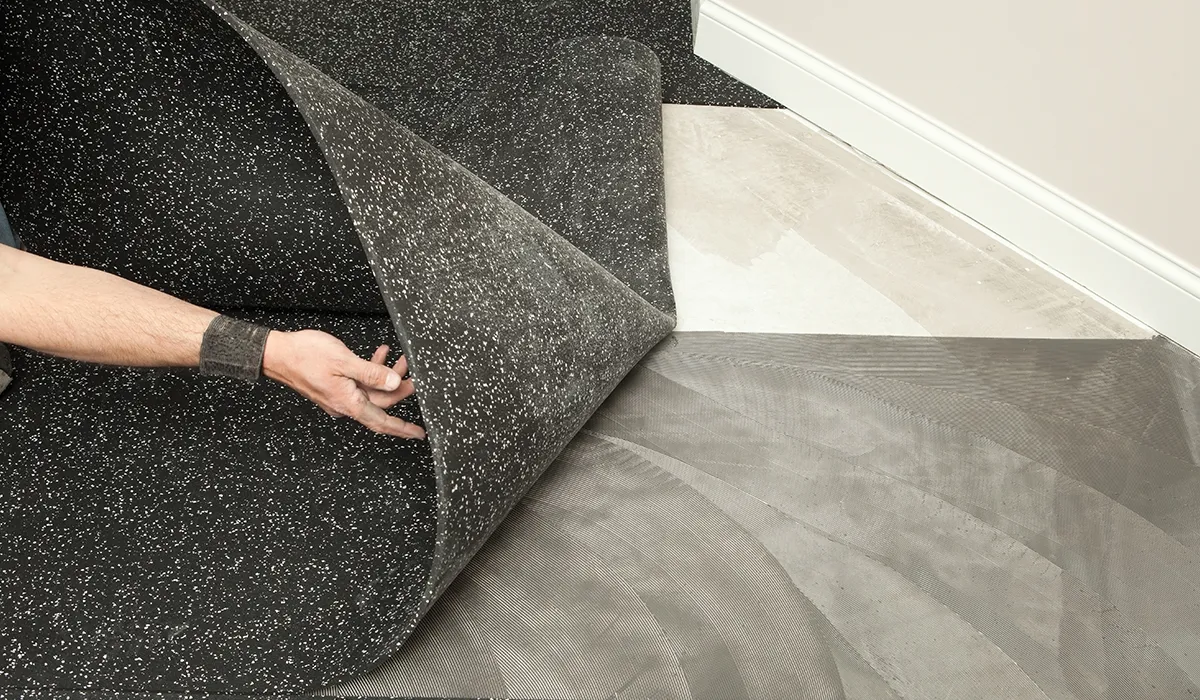
Maintenance & Usage Tips for Rubber Rolls
Rubber roll flooring is known for its durability and versatile applications. It is preferred across a wide range of environments, from gyms and industrial areas to homes and offices. To ensure the longevity of these products, regular maintenance and proper usage are essential. In this article, we will discuss the tips you need to know to extend the life of your rubber roll flooring under four main headings.
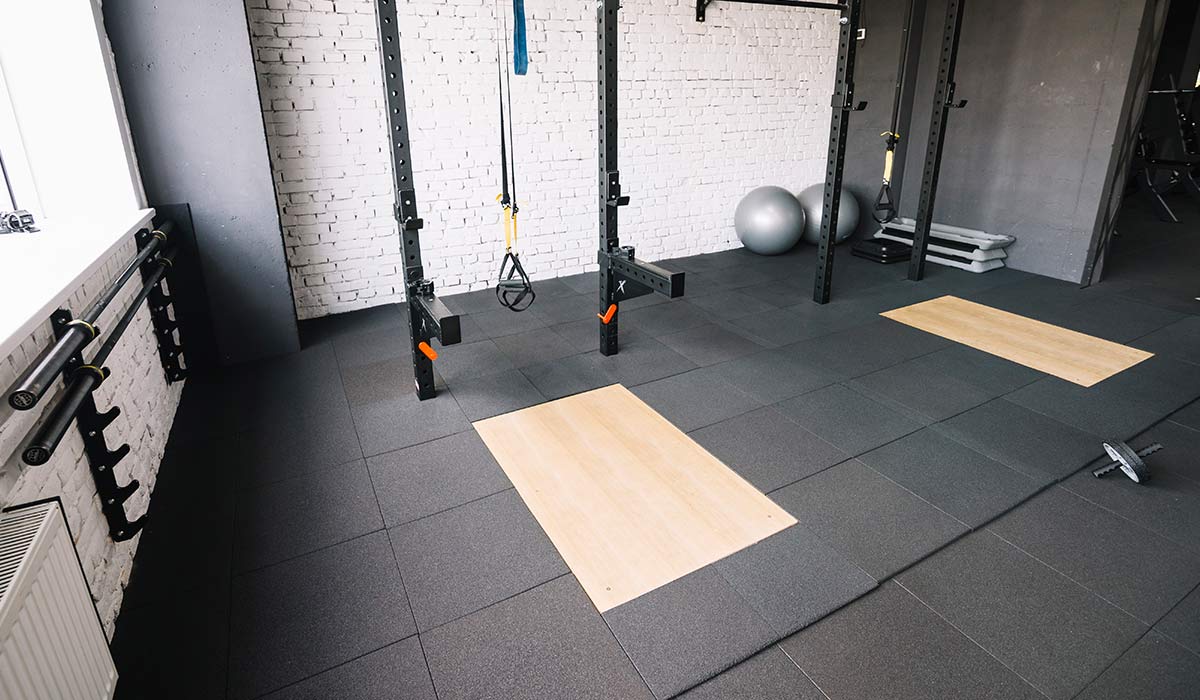
Rubber Flooring Types
Rubber flooring solutions are widely used in various fields such as industrial areas, sports halls, children's playgrounds, and shooting ranges due to their safety, durability, and aesthetic benefits. In this article, we will explore four popular types of rubber flooring – Rubber Tiles, Rubber Roll, Ballistic Rubber, and Animal Mats. We will provide detailed information on the features and applications of each of these products.

Integral Group® Signs First Brand Ambassadorship Agreement of 2024
Integral Group has taken the decision to collaborate with former Malian National Team Football Player Samba Sow by signing a brand ambassadorship agreement. The signing ceremony took place with the participation of the company's Chairman of the Board, Mr. Yavuz Macit, Business Development Manager, Mr. Cenk Cem, and Export Manager, Mr. Özgür Emre Öztürk.
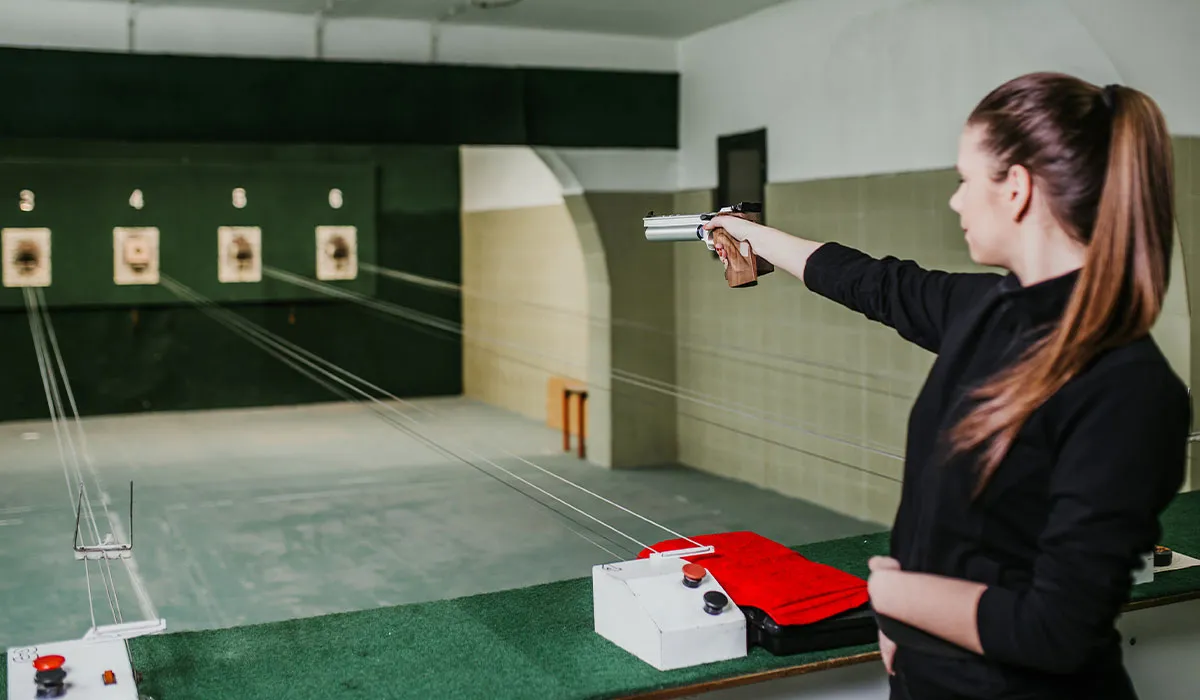
Technical Specifications and Benefits of Ballistic Rubber
Ballistic rubber products are specialized rubber materials used particularly in security and defense sectors. With high durability and impact-absorbing properties, these products provide effective protection against various threats.
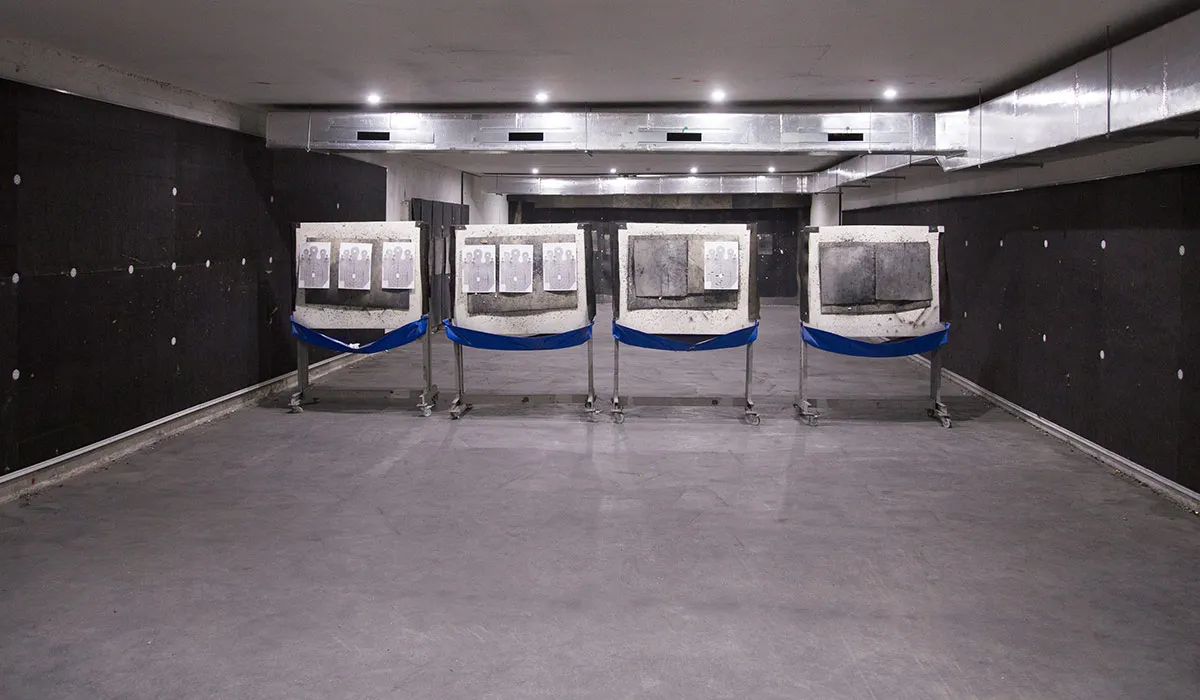
The Use of Ballistic Rubber in Shooting Ranges
Ballistic Rubber is a vital product for enhancing safety and performance in shooting ranges. Designed specifically for absorbing and stopping bullets, it is a high-quality solution for military, law enforcement, and recreational shooting ranges alike.
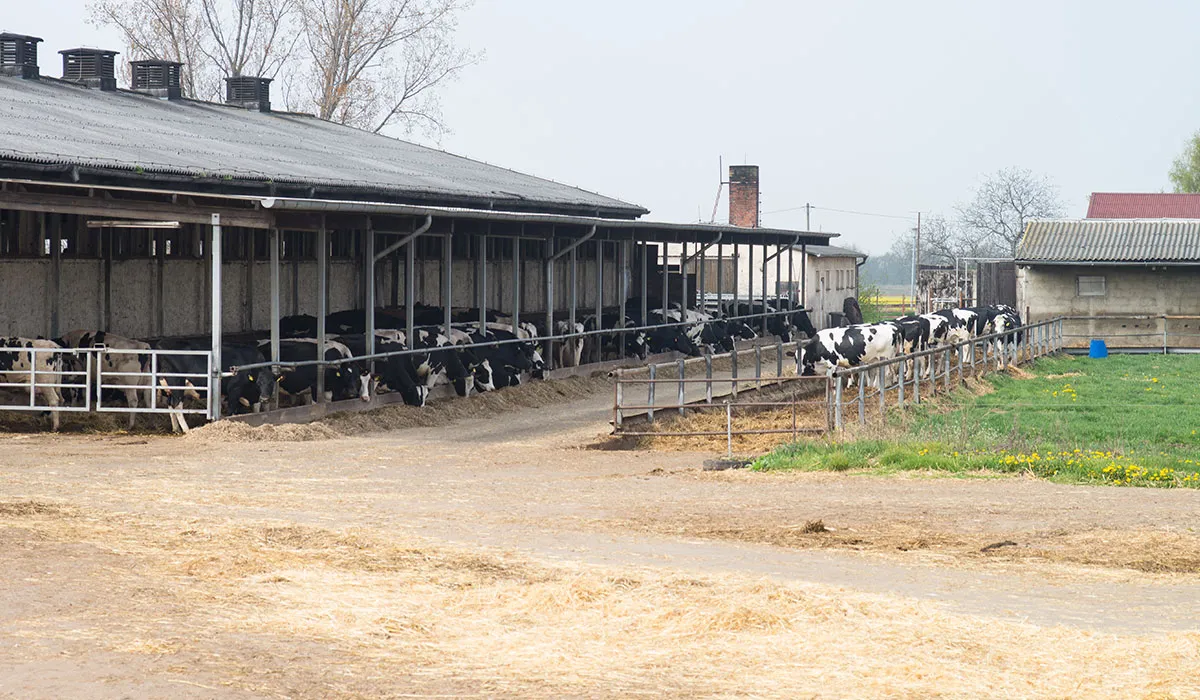
The Importance of Using Animal Mats for Animal Health
Animal health and welfare are of great importance in livestock farming and pet care. Ensuring that animals live in a clean, comfortable, and safe environment has a direct impact on their overall health and performance. In this context, anim