



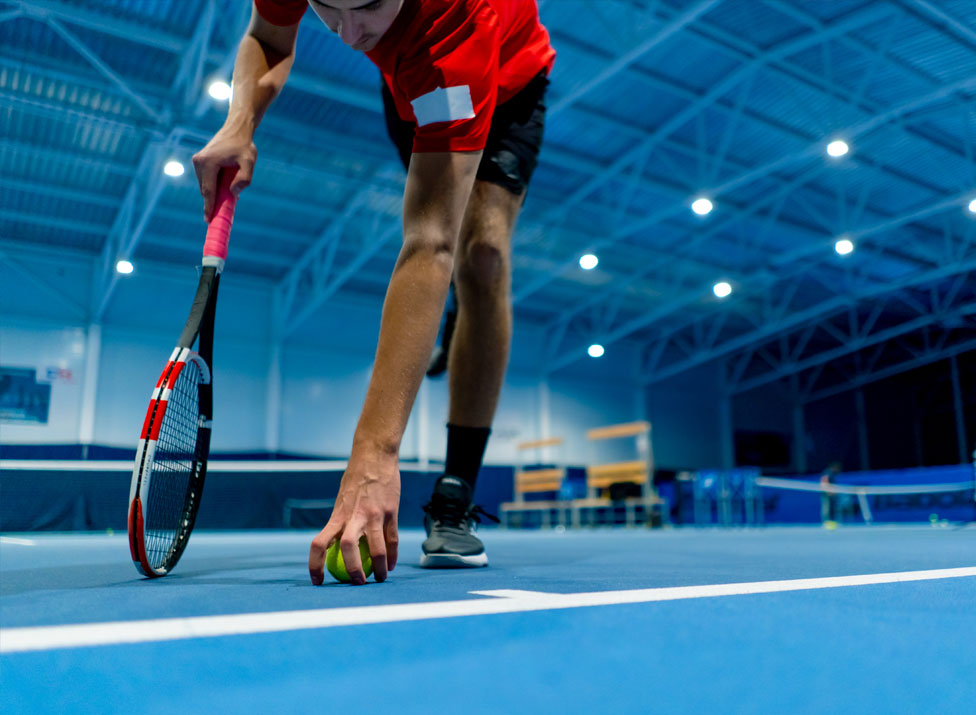

Tennis Court Surfaces
Tennis courts need consistent ball response, controlled grip and a surface type that fits the desired pace of play.
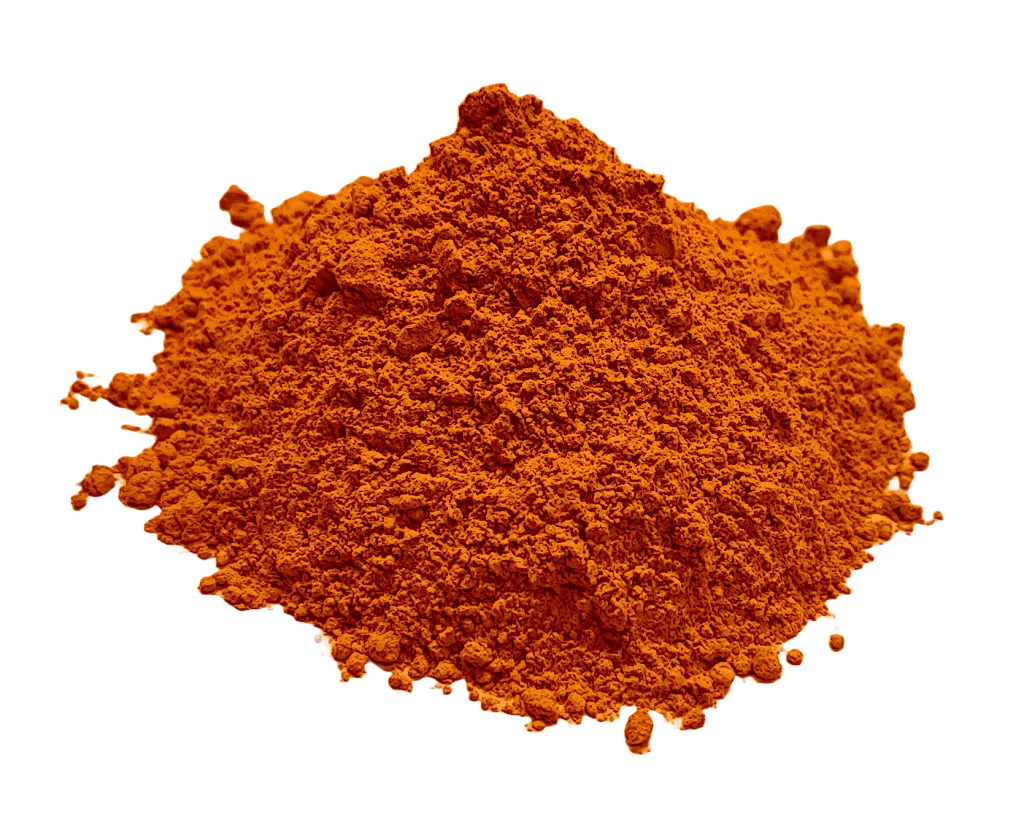
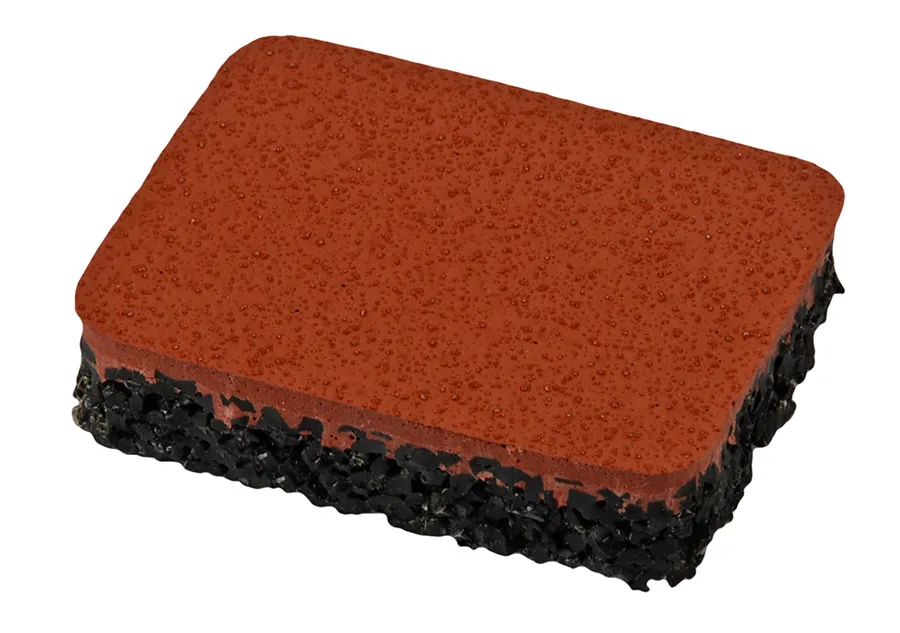
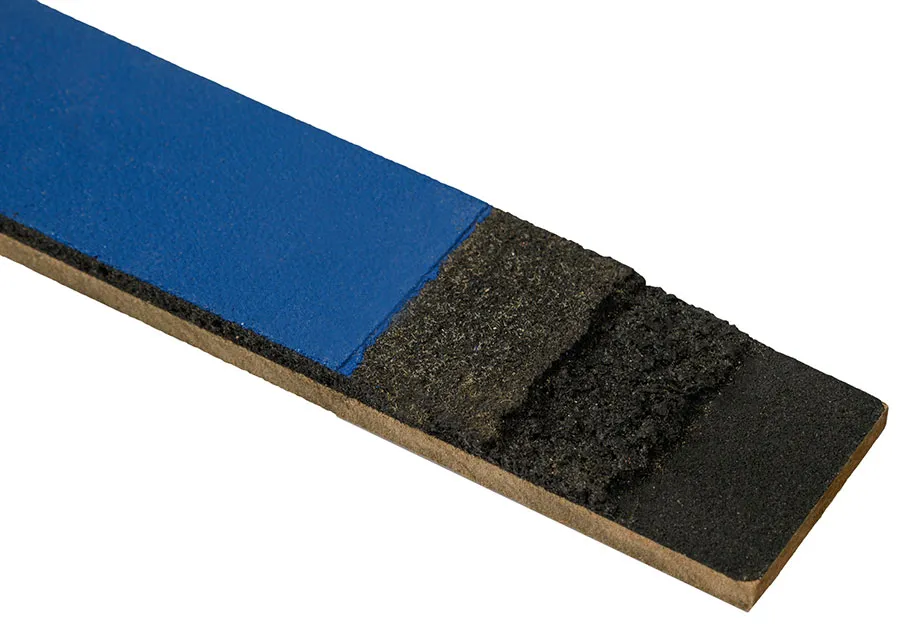
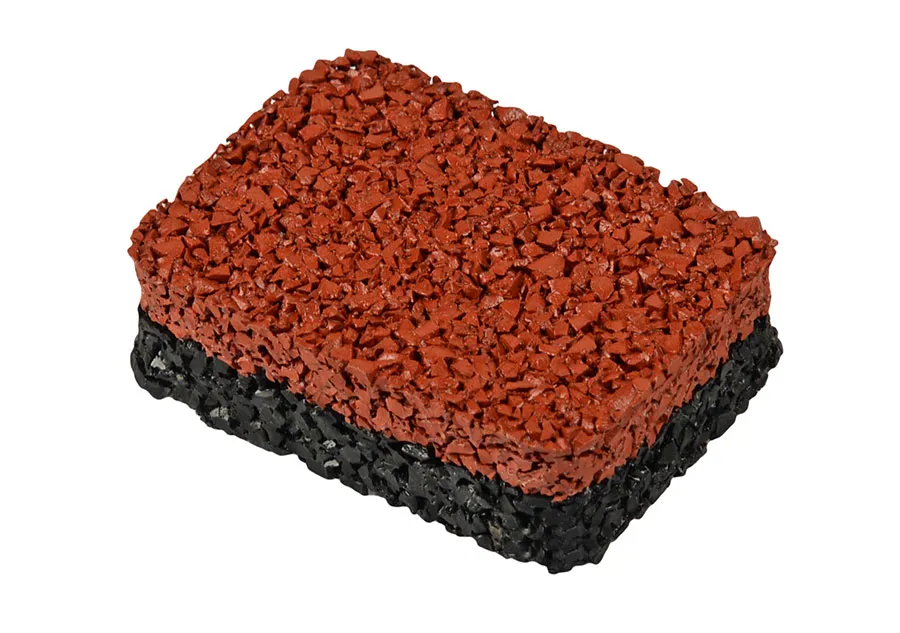
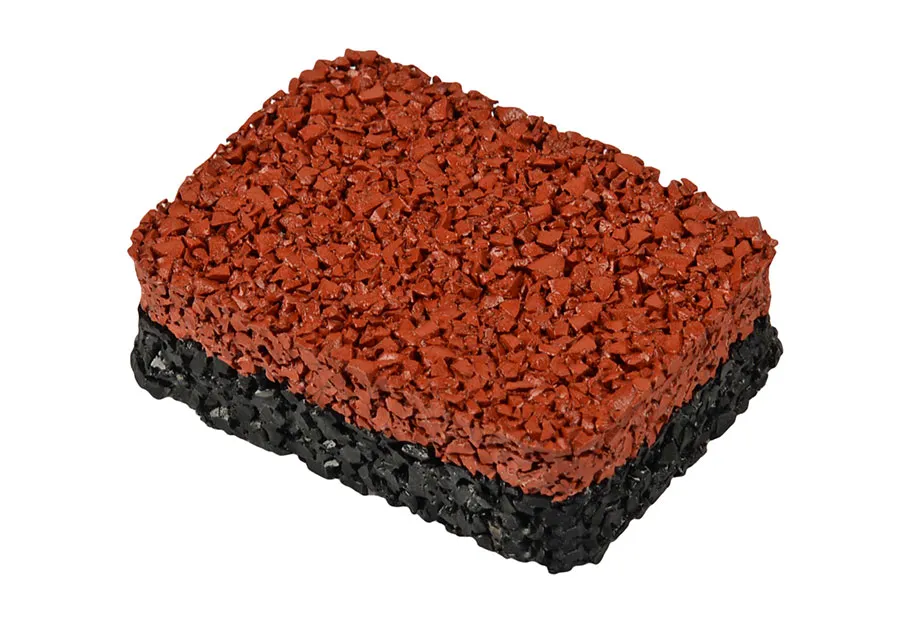
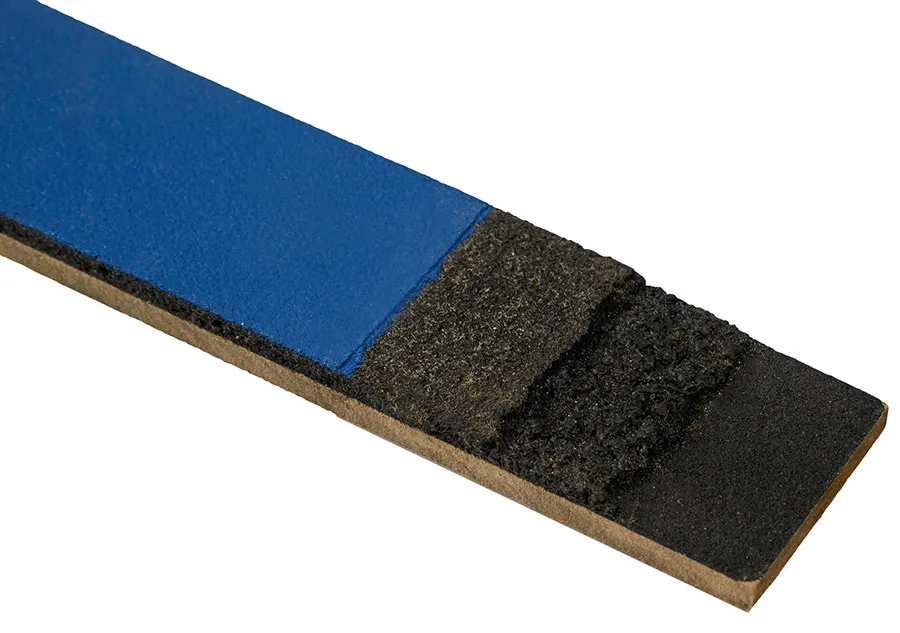
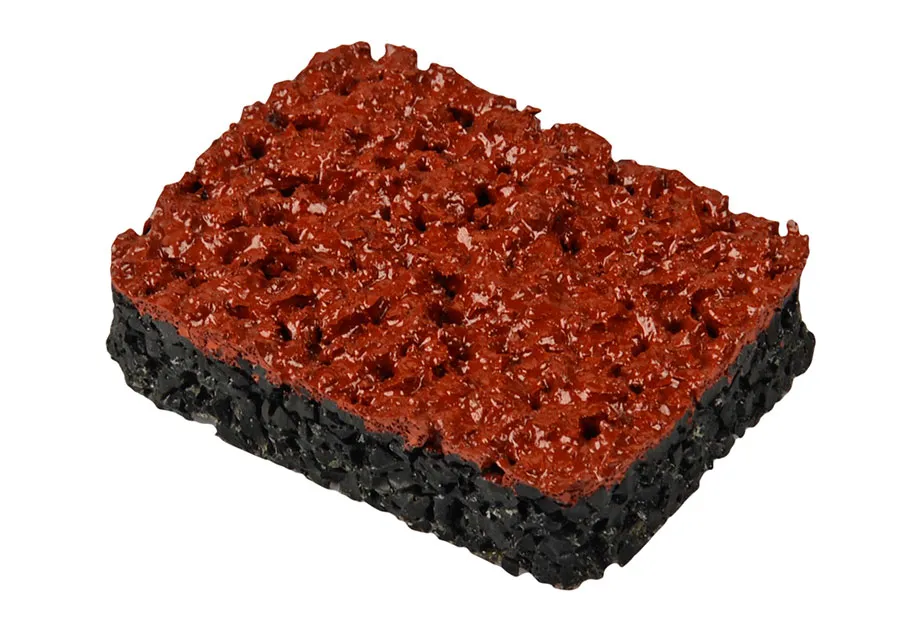
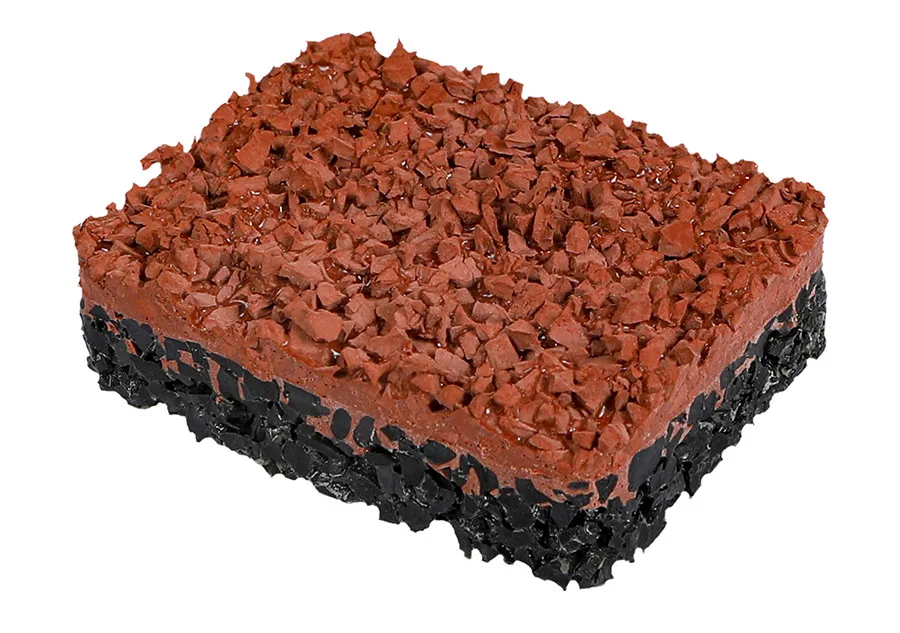
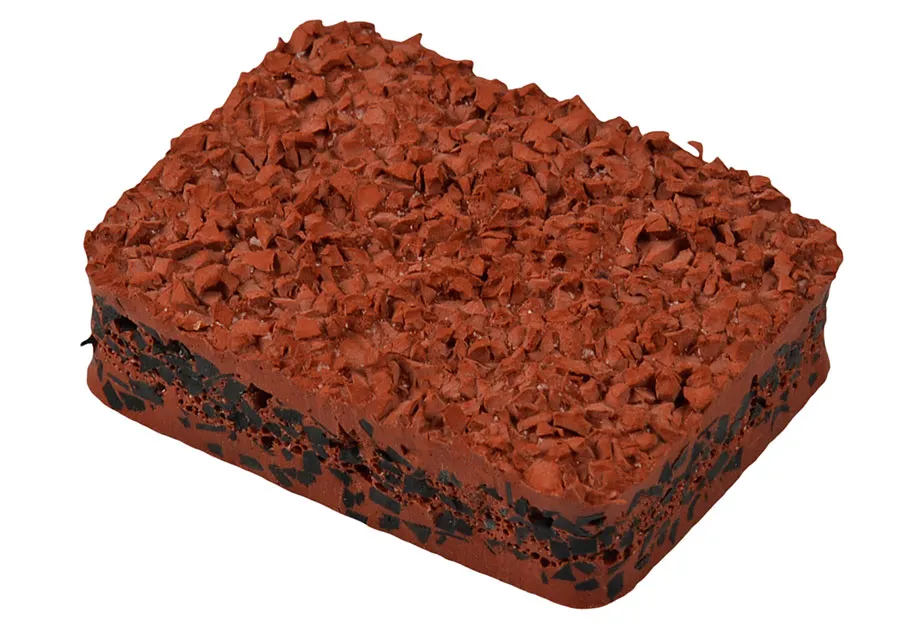
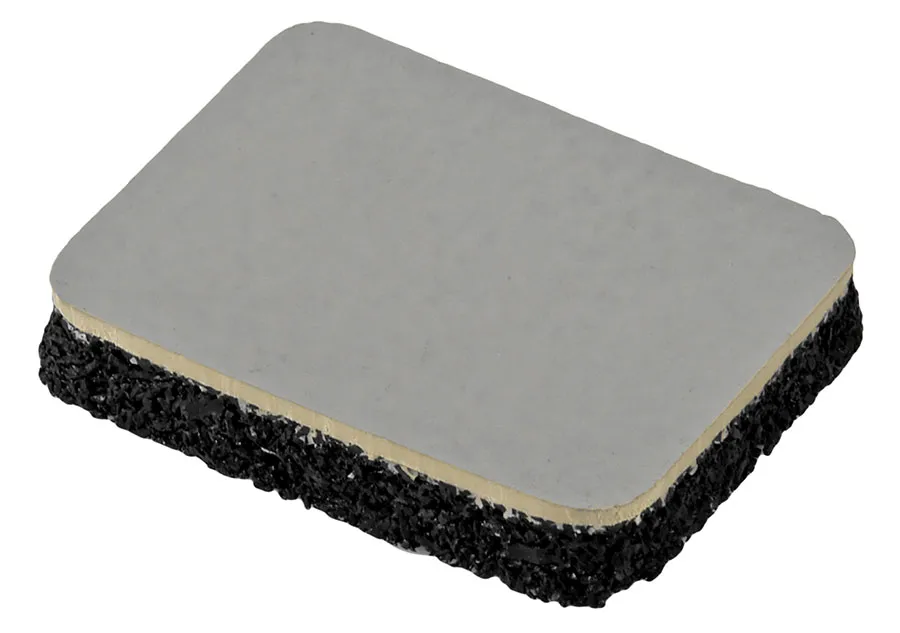
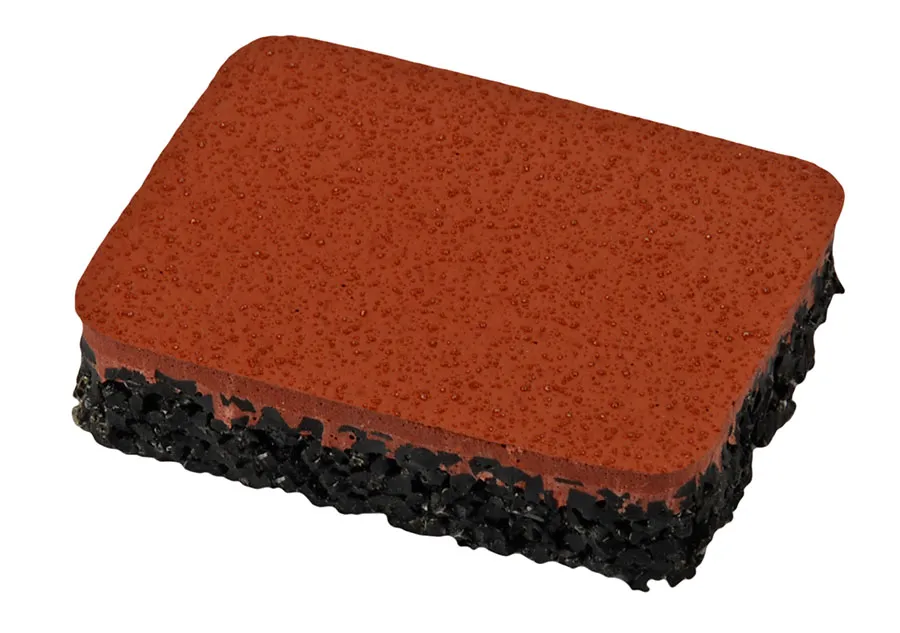
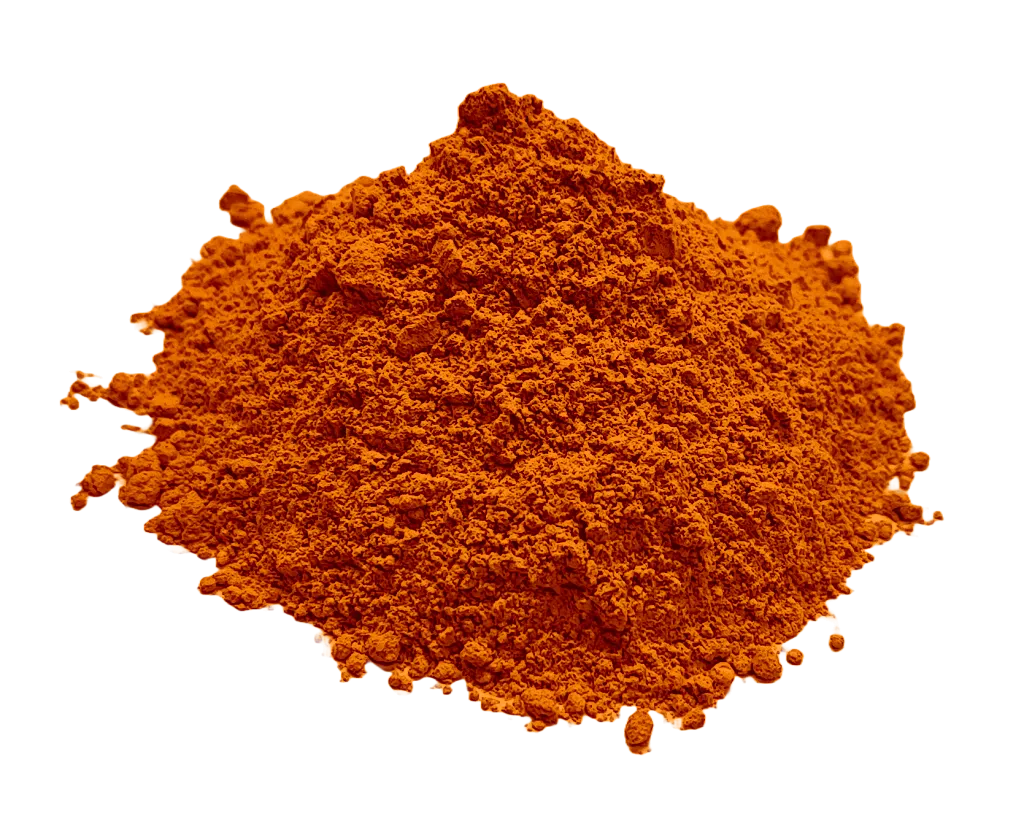
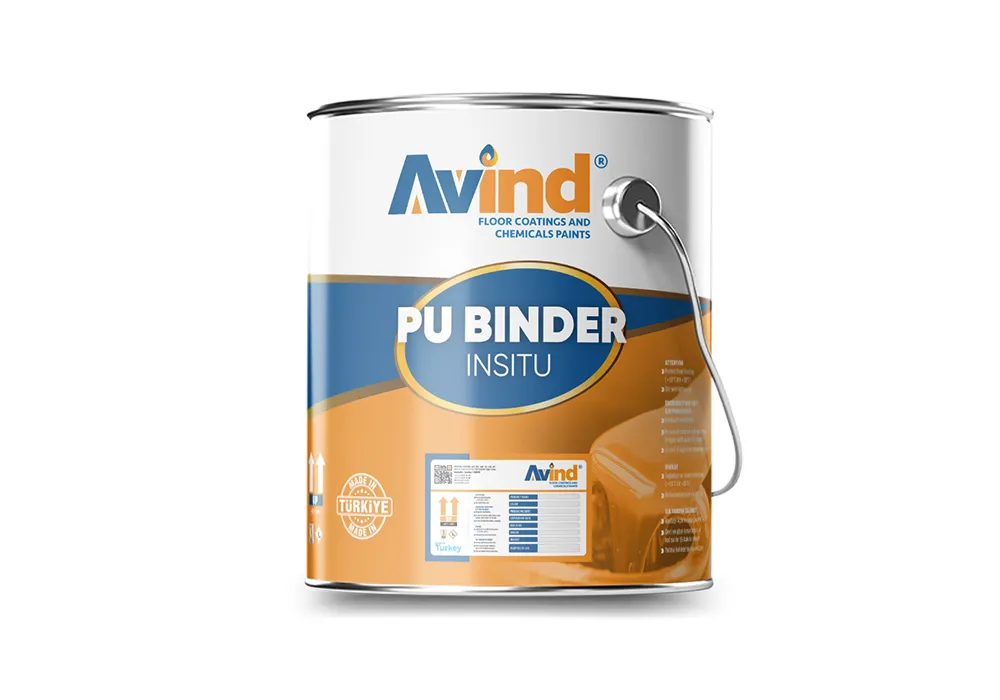
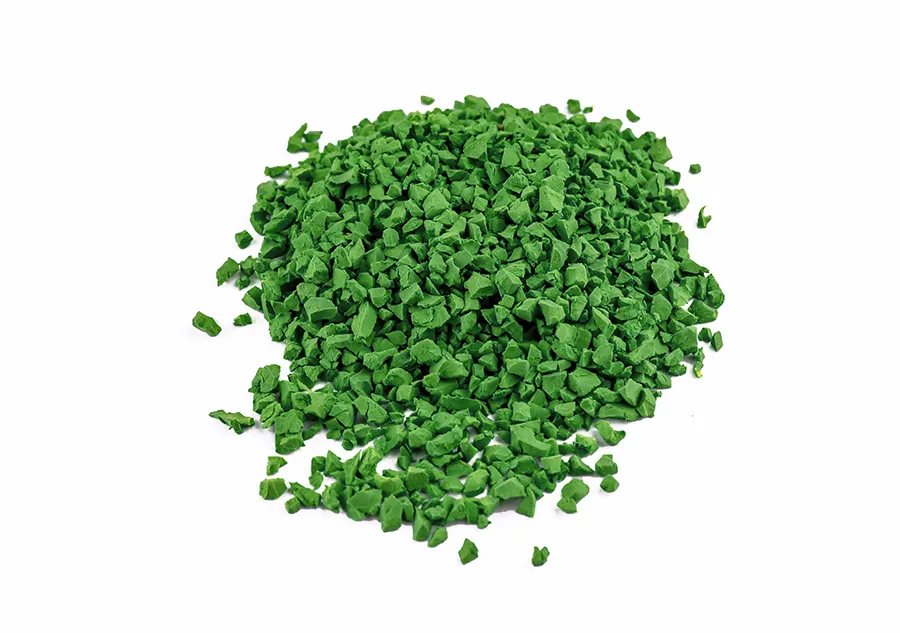
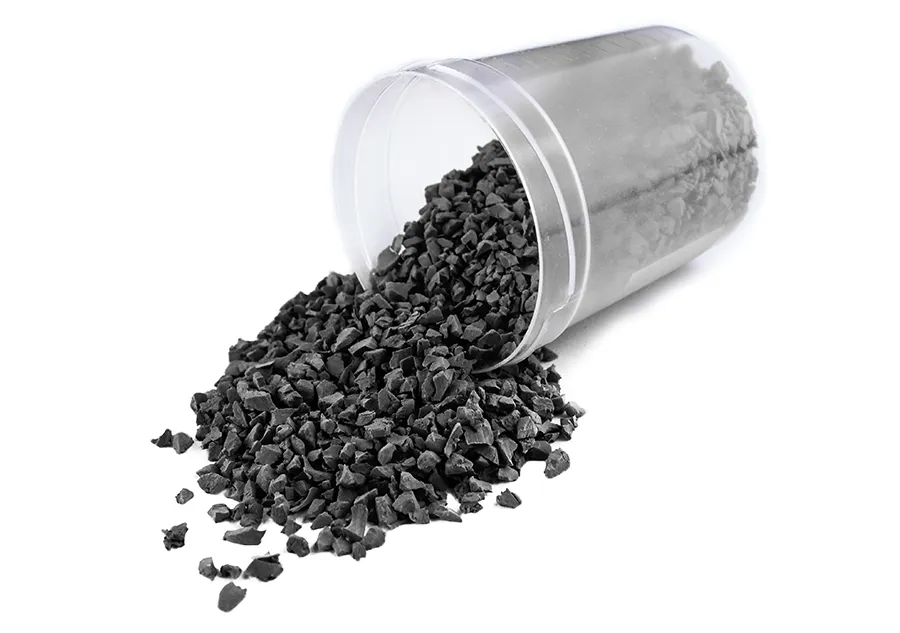
For tennis courts, Anymats can match Anymats AC Acrylic Coating, Anymats MW PU Outdoor System, Anymats CC Clay Court according to indoor or outdoor use, traffic level, comfort target and maintenance plan.
Share your area size, current surface and expected use with Anymats; our team will recommend the right product combination and prepare a clear offer.
Benefits
- Anymats products help the surface perform predictably because coating, elastic layer, granule and binder choices are planned as one system.
- The right system selection improves safety, cleaning routines and long-term durability for the people who use the space every day.
- Anymats supports the project from product matching to quantity guidance and quotation, making the path from specification to application easier to manage.
Benefits of using Anymats products in tennis courts
Key advantages Anymats brings to the surface plan:
Frequently Asked Questions
1.How are tennis court surfaces replaced or refurbished?
Replacing or refurbishing tennis court surfaces typically requires a professional team. This process can include removing the old coating, leveling the surface, and applying a new coating. The resurfacing process can vary depending on the size of the court and the type of surface, and it can be a lengthy process. Therefore, it is important to seek professional help from experts.
2.How is the maintenance of tennis courts carried out?
The maintenance of tennis courts can vary depending on the type of surface and frequency of use. However, general maintenance steps may include: o Regular cleaning and removal of debris or leaves. o Repairing cracks and holes. o Regular brushing and cleaning of synthetic surfaces. o Watering and compacting clay courts (if waterproof coatings are used).
3.Which type of tennis court surfaces are more common?
Synthetic courts are among the most commonly used tennis court surfaces worldwide. This is because synthetic surfaces are durable, easy to maintain, and provide good grip for players. Additionally, synthetic courts are more weather-resistant and can be made suitable for play throughout the year.
4.What materials are used to make tennis court surfaces?
Tennis court surfaces are typically made from various materials, the most common of which are listed: Hard Courts: Concrete or asphalt surfaces are referred to as hard courts. Clay Courts: Courts made using a special mixture of clay. Synthetic Courts: Made using synthetic materials such as polyurethane, epoxy, or acrylic coatings.
Anymats Products